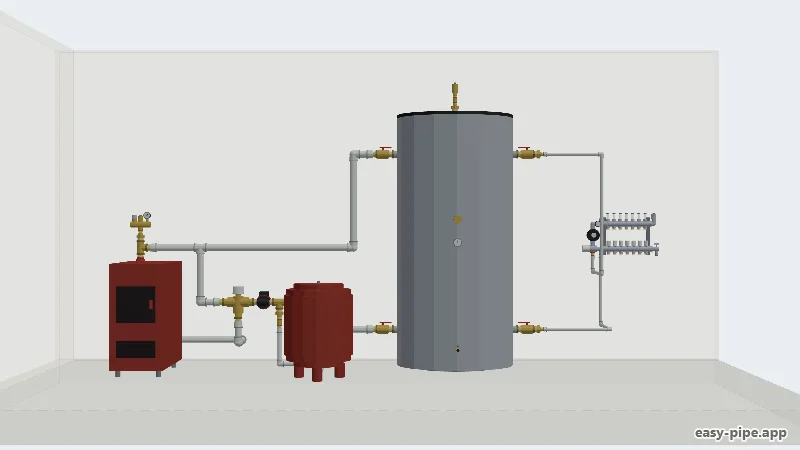
Anyone working on water or heating at home or on site: doing it yourself, doing it for clients, or installing from someone else's layout.


One screen, a palette of real fittings, and the compatibility rules underneath. You don't need CAD.
Parts join only if they fit: diameter to diameter, thread to thread, male to female.
Flat view to lay the node out. 3D to check it fits the recess and the valve handle faces the right way.
The layout turns into a list: name, size and quantity — exactly the parts standing in the node.
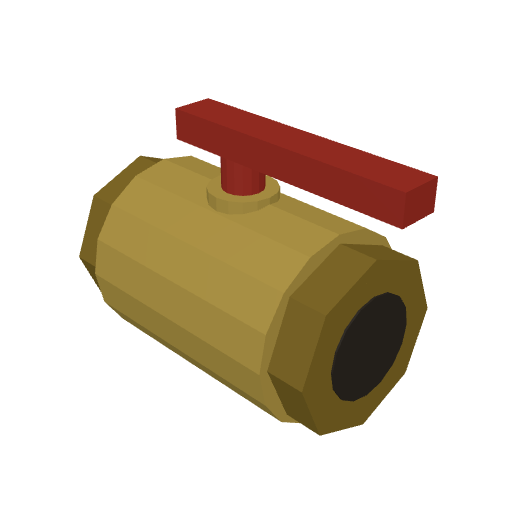
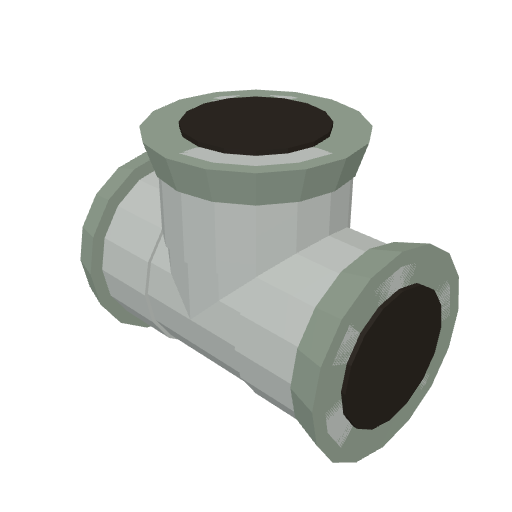
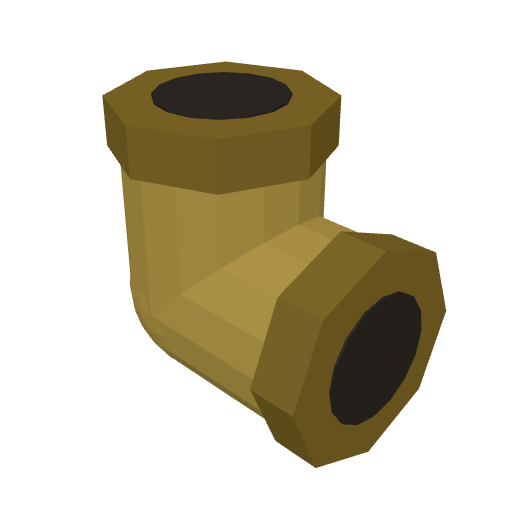
PP-R, HDPE, PEX press fittings, multilayer compression fittings, brass threads, plus boilers, water heaters, tanks, pumps, filters and manifolds. Every part is rendered by the builder, not a stock picture.
Built for one thumb. Open the browser and lay it out standing at the wall.
A link to the layout — show it to a client or a plumber right in the messenger. Next to it, ready-made <iframe> code: the same node embeds into your own page.
Phone, tablet, laptop, desktop — the same version everywhere. Nothing to install, updates itself.
The interface is separately tuned for touch: large controls, drag with a finger, pinch to zoom.
Open in the browserThe link opens in whatever browser the device already has.
On phone and tablet — big buttons, dragging and pinch zoom.
Sign in and layouts are saved online: start on the desktop, open it on your phone on site.
Over 1,000 items: pipes, fittings, valves and equipment. The catalogue keeps growing.
Every marker is a real day when new items went into the catalogue. The parts shown are rendered by the builder itself, not stock pictures.
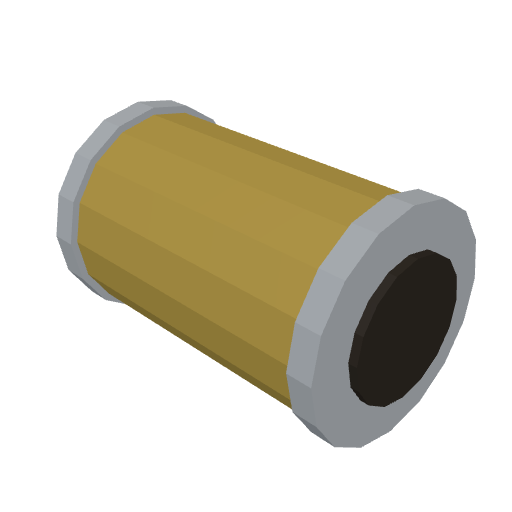
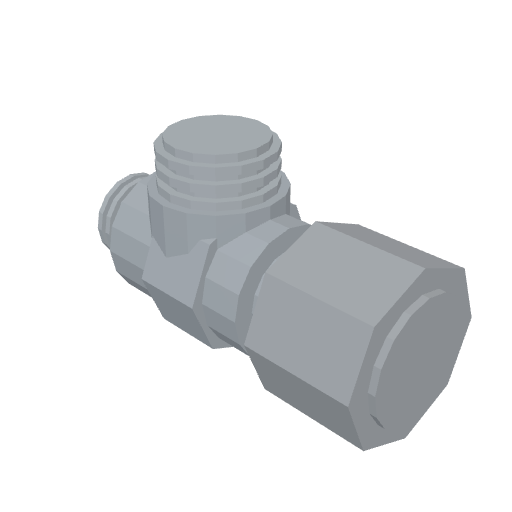
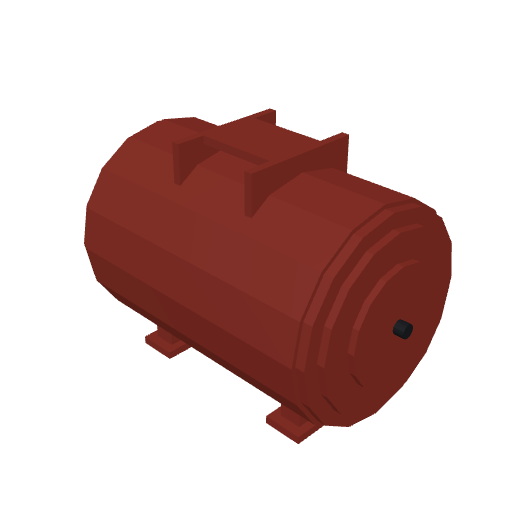
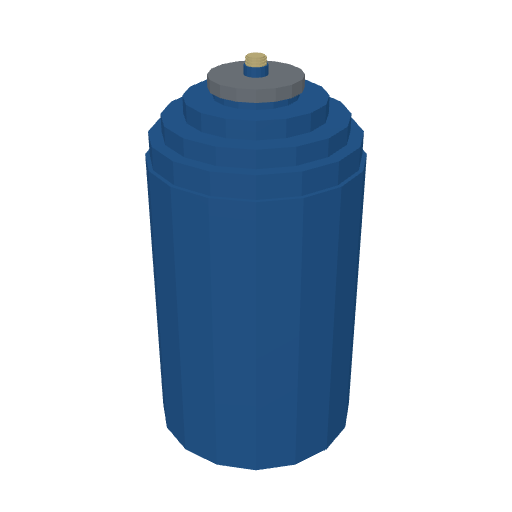
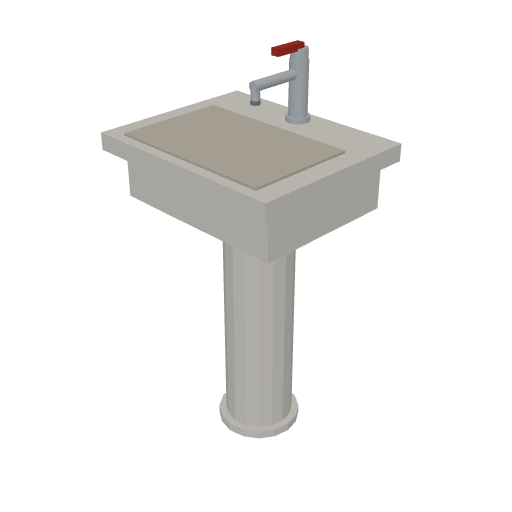
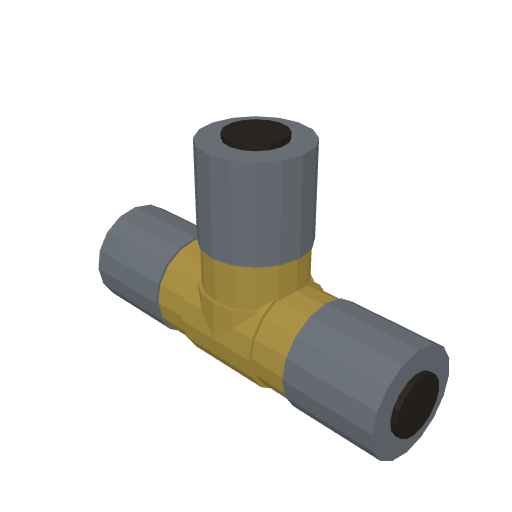
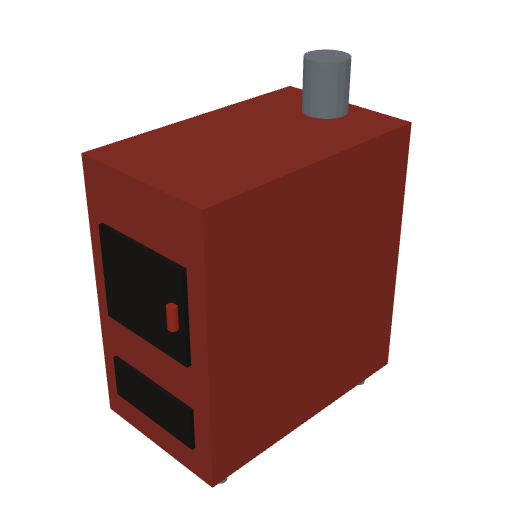
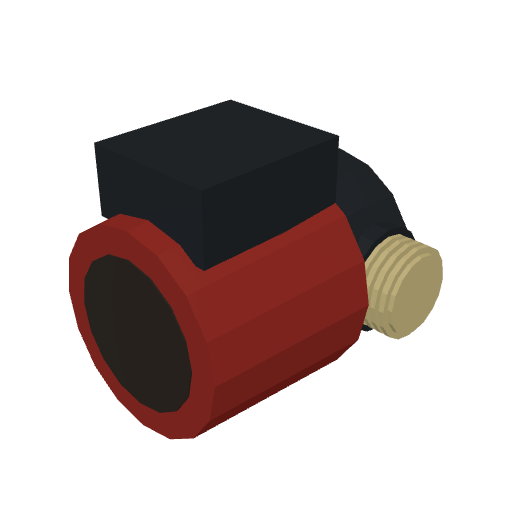


Copper and steel are on the way. Beyond pipes and fittings, the catalogue also carries equipment: boilers, water heaters, tanks, expansion vessels, pumps.
The catalogue doesn't turn into a warehouse maze. Type “valve 1” and you get one-inch valves, not 400 pages of brass.
Complete schemes from the catalogue: open one, spin it in 3D and take a copy into the builder.
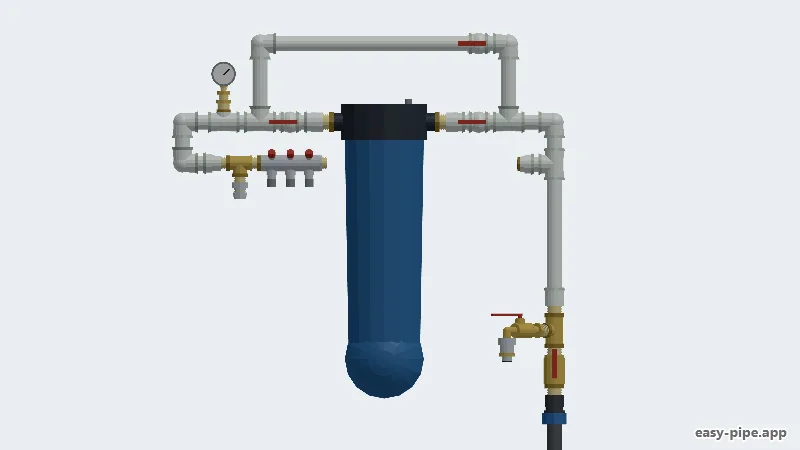
Your layout becomes an exact parts list you can take to the store or send to a client. No napkin math.
Users leave the builder with an exact list of parts and sizes, and they are ready to buy exactly that.
Ask about partnershipYes. The builder and the shopping list are free, with no sign-up and no ads.
No. It's a web app — it opens in the browser on phone, tablet or desktop.
No, signing in is optional. Without an account, projects are stored locally in your browser. Sign in and they are stored in the cloud and open on any device.
Prices differ from store to store and change often, so the builder leaves them out. The list gives the store the name, size and quantity of every part; the store prices it.
Compatibility is exact: a part joins only when diameter, thread type and gender match, and that check is the heart of the builder. Part dimensions are approximate, up to about 5% off the real ones, so check clearances on site. The builder does not calculate hydraulics, pressure or heat loss.
You can. Add planes to the scene — walls and a floor — and the runs sit on them instead of hanging in space. It still helps most on assemblies: the spots where dozens of couplings, adapters and valves meet.
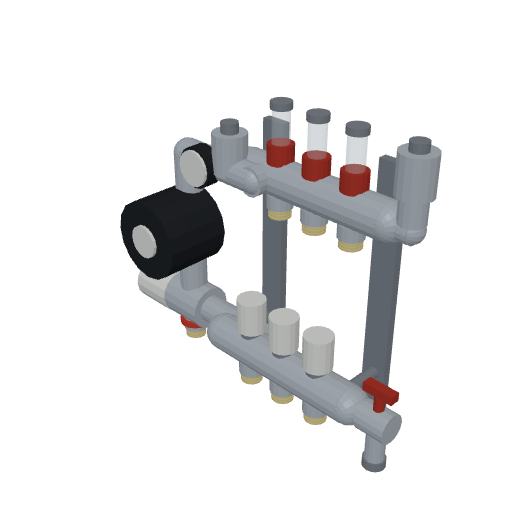
Yes. Boiler manifolds, distribution manifolds, underfloor-heating mixing units, indirect water heater piping — all built from the same fittings with the same compatibility checking.
No. easy-pipe is about pressurised systems: water supply and heating. There is no drainage in the catalogue.
The core works: building a node, checking thread and diameter compatibility, and the parts list. The catalogue is still being filled, and rough edges are possible. Write to us if you hit one.
It is a layout builder and there is nothing to download: easy-pipe runs in the browser on phone, tablet and desktop, free. It assembles the node from real parts and checks compatibility, but it does not calculate hydraulics, pressure or heat loss.
easy-pipe checks that parts physically fit together, but it does not engineer your system: no hydraulic, pressure or heat-loss calculations, and no check against the building codes of your region. Before installing a complex residential or industrial system, have the layout reviewed by a certified design engineer. The decision to install, and its consequences, remain your responsibility.
Read the full disclaimer →